12 Questions to Ask Your Child While You Read Together
Read-Aloud Tips
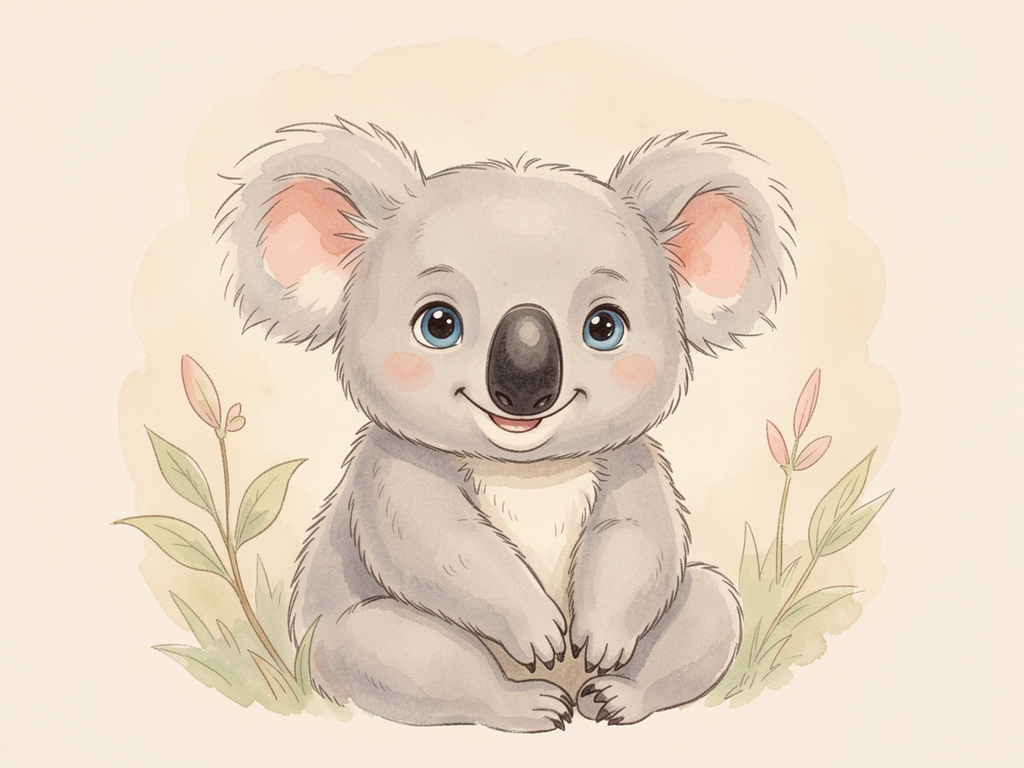
Simple questions that turn storytime into a conversation - grouped by story type, with examples you can use tonight.
Before I was a teacher, I was the child who wanted the same book four nights running. Before I was a writer, I was the adult who discovered that the fourth reading is where the good conversations live.
Reading aloud to a small child looks like a performance. It isn't. It's a conversation with a story in the middle of it - and the questions you ask are what turn "Cuddles is sad" into twenty minutes of talk about what home means.
Here's the thing I learned in a decade of kindergarten storytimes: the wrong way to do this is to test. "What colour was his hat?" is a quiz. "Would you have gone into that cave?" is an invitation. One gets a shrug; the other gets a story of their own.
Below are twelve invitations, grouped by the kind of book you're holding. Pick one per reading. Never all twelve - that's a school lesson, not a bedtime.
For animal stories
1. What do you think he's feeling right now?
Works at any age, and it's the whole foundation of empathy. Point at the picture and let them guess from the face.
2. If you were Cuddles, where would you look for a new home?
Children give wonderfully impractical answers to this. Write them down; they're better than anything I've invented.
3. Which animal in this book would you want to sit next to?
A character question disguised as a preference question. You'll learn who they'd like to be.
4. Who helped him? Who could he help next?
The second half matters more than the first. It moves the story out of the book and into their week.
For adventure stories
5. What would you pack?
Then listen for what they think they'd need - a torch, a snack, their sister.
6. What's the scariest part so far?
Naming it takes the sting out. If they say "nothing", they're either fine or braver than you expected.
7. What would you do if the stream stopped sparkling?
Drop your own book's problem into their hands. This is where Penny comes up at our kitchen table.
8. Who else should come on the journey?
Invariably a grandparent, a dog, or a friend from nursery. That answer tells you who they're missing.
For bedtime stories
9. Where do you think everyone sleeps tonight?
A gentle one for the end of the book. It also quietly starts the closing-down ritual.
10. What was your favourite bit today?
Not "what was your favourite bit of the book" - the whole day. This is the question I'd keep if I could only keep one.
11. What should we read tomorrow?
Handing them the choice is what makes the routine survive. Let them pick - even if it's the same book again.
12. Can I have one more cuddle before we start?
Not a question about the story at all. It's the reason the other eleven work.
Three rules for the questions themselves
Ask one, then be quiet. The silence after a question is where the thinking happens. Count to five slowly before you rescue them.
Follow their answer, not your plan. If they say the moon is made of custard, you're now reading a book about custard. That's a good sign, not a detour.
Never correct a wrong answer about feelings. "He's not sad, he's cross" is a real observation from a four-year-old. Take it.
A five-minute version for busy nights
Some evenings you have twenty minutes. Some you have six. On the six-minute nights: read the book, ask question 9 or 10, and close it. That's a complete storytime. The routine is the point, not the length.
If you'd like somewhere to start, my picture books are about brave platypuses and lost koala bears - the sort of stories that give a four-year-old something to have opinions about. You can meet the books here, or start with Cuddles, who loses his home and finds rather more than that.
And if you'd like the free printable colouring book, there's a six-page one - including a seven-band rainbow and a very full moon - on the free colouring book page. Colouring gives small hands something to do while their mouth is still telling you what happened in the story.
One more page? Go on then.